Reimagine Your Bedroom With State-of-the-art Adjustable Beds
Adjustable beds are receiving attention for their ability to enhance sleep quality and comfort. These versatile designs allow users to elevate their heads or legs, tackling typical problems such as snoring and acid reflux. With characteristics like wireless remotes and integrated massage features, they serve diverse needs. As the demand for customized sleep options increases, understanding the specifics of adjustable beds becomes essential to making an well-informed choice about one's sleep environment.
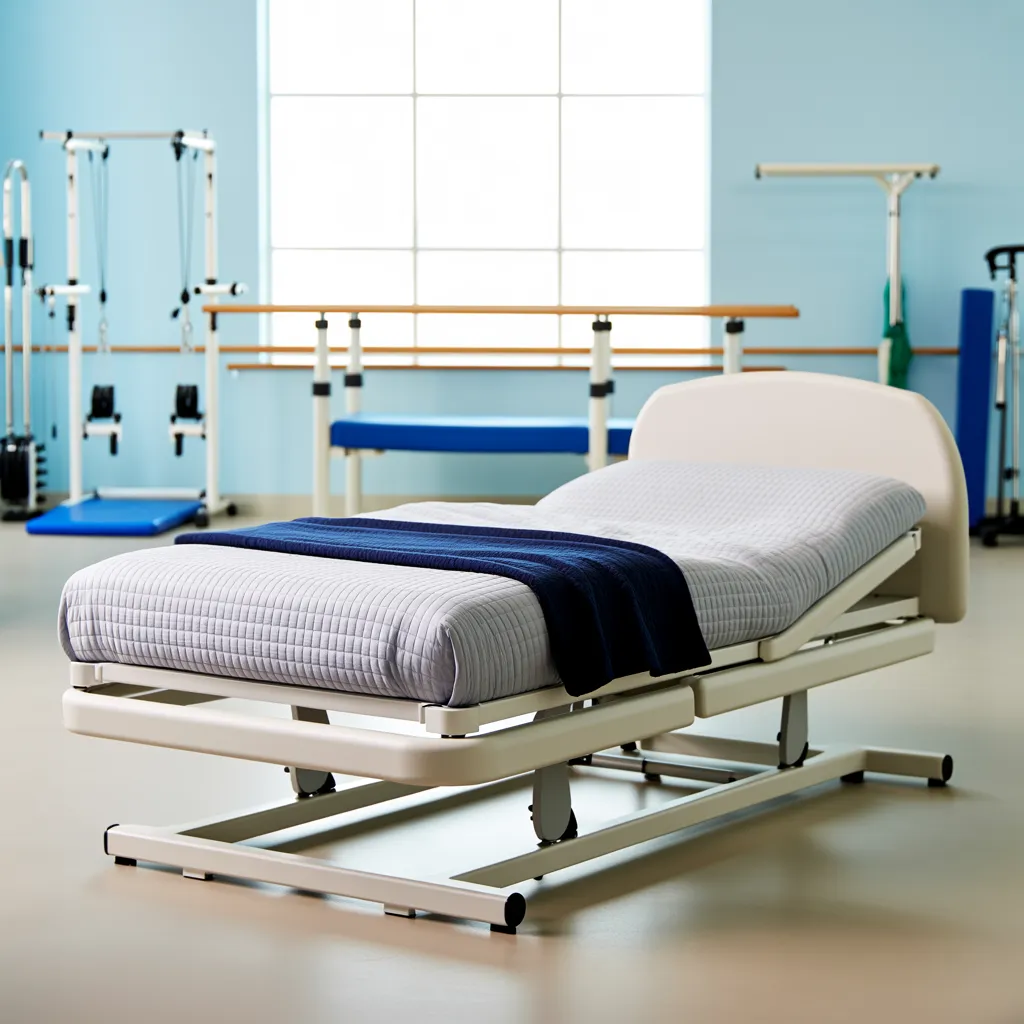
The Effect of Adjustable Beds on Sleep Excellence
While numerous individuals grapple with quality of sleep, beds with adjustment features offer a promising option. These beds permit consumers to customize their sleeping positions, which can alleviate soreness and promote superior sleep. By elevating the feet or head, beds that adjust can lessen concerns such as snoring, gastric reflux, and sleep apnea, producing seamless sleep patterns.
Moreover, the capacity to discover a customized posture can enhance spine alignment, reducing back pain for many people. The ergonomic support provided by adjustable beds encourages a more restful sleep, as users can locate the ideal angle that matches their needs.
Also, these beds can facilitate relaxation, making it less difficult for individuals to wind down before sleep. Overall, adjustable beds serve various rest preferences, markedly improving the overall sleeping experience and quality, ultimately contributing to improved well-being and wellness.
Key Features to Look for in Flexible Beds
Adjustable beds feature a broad range of qualities that enhance their functionality and overall comfort. One important feature is the array of angles offered for adjustment, letting individuals to lift their head or feet for greatest ease. Remote controls that are wireless are essential, providing convenient alterations without leaving the bed.
An essential consideration is the bed's carrying capacity, which guarantees it can handle various body types. Additionally, some models provide onboard massage features, offering relaxation and stress relief. Compatibility with different mattress types is vital, allowing users to select their preferred comfort level.
Additionally, take into account the presence of protective mechanisms like automatic return and collision avoidance systems. Ultimately, the warranty and customer support options should not be overlooked, as they demonstrate the manufacturer's trust in the durability of the product. These characteristics collectively contribute to an improved sleeping experience and improved overall satisfaction.
Increasing Relaxation By Way of Adjustable Beds
Often, individuals experience considerable enhancements in ease when using adjustable beds. These beds enable users to personalize their sleeping position, meeting personal preferences and specific needs. By raising the head or foot sections, sleepers can alleviate pressure on the spine and joints, encouraging better alignment and reducing discomfort.
Furthermore, adjustable sleeping surfaces can be greatly beneficial for those managing distinct medical conditions, such as acid reflux or sleep apnea. Raising the upper body can help reduce symptoms, while elevating the legs may enhance blood flow and relieve swelling.
The versatility of adjustable beds also stretches to their ability to support various activities. Whether perusing, viewing TV, or working in bed, users can discover a position that enhances their overall satisfaction. Ultimately, the adaptability of beds that adjust contributes considerably to better sleep and overall wellness.
Surveying the wide range of styles of adjustable beds highlights special advantages tailored to individual needs. The most common types encompass split adjustable beds, which allow partners to customize their side independently, enhancing comfort for both. Likewise, wall-hugging frameworks keep up proximity to nightstands while altering positions, proving them sensible in smaller spaces.
Furthermore, some models feature zero-gravity settings, which lift the head and legs, providing relief from pressure points and improving circulation. Other beds come equipped with massage functions, delivering relaxation and supporting stress reduction.
Materials differ as well, with options spanning from memory foam to hybrid designs, addressing different preferences for firmness and support.
Ultimately, your choice of adjustable bed design can greatly influence sleep standards and overall health status, making it essential for purchasers to consider their specific requirements and way of life when determining the ideal option.
Simple Instructions to Installing Your Flexible Sleeping Surface Effortlessly
Configuring an adjustable bed involves a few straightforward steps to confirm proper capability. First, unboxing and inspecting all pieces is essential for identifying any emergent issues. Once verified, constructing the bed frame and joining the power and settings will finalize the setup process efficiently.
Remove from Box and Inspect Components
Inspecting an modular bed system displays a assortment of components built for simple assembly and perfect comfort. Often, the package includes take action the main frame, adaptive base, remote control, power supply, and multiple accessories such as coupling devices and mechanical fasteners. Every item is thoroughly packed to guarantee safety when shipping.
After inspection, it is crucial to confirm that all parts are present and intact. Users should check the control for proper operation and verify that cords are intact. Furthermore, inspecting the base unit for any manufacturing defects is important. Proper inspection at this point can conserve effort and frustration later in the assembly process. With all items verified, customers can move forward with confidence to assemble their new bed frame.
Build The Bed Frame
Assembling the bed frame starts with arranging all components in an orderly manner, providing convenient access during the setup process. The frame typically includes side rails, end rails, and support slats. First, connect the side rails to the head and footboards according to the provided instructions, fastening each joint with the appropriate hardware. Next, install the support slats along the width of the frame, making sure they are evenly spaced for maximum mattress support. Once the frame is fully constructed, check for stability by gently shaking it. Modifications can be made if necessary to guarantee a secure and sturdy setup. With the frame in place, the next steps can proceed seamlessly.
Join Power And Adjustments
To establish an ideal experience with the motorized bed, linking the electrical connection and setting up the controls is necessary. First, find the power cable and insert it in a adjacent electrical socket, making sure it is firmly attached. Next, activate the bed's control unit, often found on the side or foot of the bed frame. This unit usually features a remote control or a mobile app for convenience. Users should then modify the bed's settings, such as head and foot height, according to individual comfort needs. It is advisable to investigate extra features, including preset positions or massage features. Finally, confirming that all connections remain tight can avoid interruptions while using, improving total enjoyment with the motorized bed experience.
Debunking Myths About Adjustable Beds
Many misconceptions encompass adjustable beds, especially regarding comfort and mobility benefits. Some believe that these beds are inherently uncomfortable or that their advantages are limited to those with mobility issues. Tackling these myths is vital to understanding the true value of adjustable beds.
Adjustable Beds Are Uneasy
Adjustable beds often face criticism for being uncomfortable, yet this belief is largely baseless. Many users report that these beds improve their rest quality by allowing for customized positions. The ability to raise the upper or lower body can reduce strain on particular regions, enhancing blood flow and reducing discomfort. Additionally, adjustable beds come with various mattress options, including memory foam and latex, which address individual preferences for comfort and stability. Many manufacturers also prioritize ergonomic design, guaranteeing that the bed shapes to the natural body contour. As a result, adjustable beds can provide a level of comfort that traditional beds cannot provide, challenging the myth that they are inherently uncomfortable for sleep.
Exclusive Benefits for Restricted Mobility
While some could assume that adjustable beds only benefit those with limited mobility, this misconception misses the numerous advantages they deliver to a wider array of users. Adjustable beds can boost ease for people without physical challenges by allowing customized adjustment that fosters peaceful rest and reduces pressure points. They are particularly beneficial for those who experience ailments like GERD or breathing disturbances, as raising the head can improve airflow and digestion. Furthermore, these beds can improve general sleep standards by accommodating different sleeping positions. By challenging the myth that these beds are only for the those with physical disabilities, it is clear that they serve to anyone desiring a more restful and personalized rest quality.
Premier Sleeping Mattresses for Adjustable Beds
Determining the perfect mattress for an flexible sleeping surface can greatly enhance comfort and stability. Memory foam mattresses are frequently suggested due to their ability to conform to the body's shape, affording pressure relief and alignment. Furthermore, they generally work well with adjustable bases, allowing for smooth movement without impairing comfort.
Latex mattresses represent a fantastic choice, offering a reactive sensation and resilience. They provide a level support that can support various sleeping positions, creating them excellent for adjustable bed systems. Additionally, mixed mattresses, which combine innerspring and latex or foam, deliver a multipurpose solution. These mattresses provide the responsiveness of traditional innerspring with the contouring support of foam.
Lastly, it's crucial to assess mattress depth. Mattresses of 10 to 14 inches are usually most suitable with flexible bed bases, providing flexibility and support while remaining streamlined. Choosing the appropriate style can substantially boost the experience on adjustable mattresses.
Popular Inquiries Asked Frequently
Can you use any type of mattress on adjustable bed frames?
Adjustable beds are typically suitable with various mattress types, such as memory foam, latex, and hybrids. However, it's crucial to check specific manufacturer guidelines to ensure peak performance and comfort for each mattress design.
Adjustable Mattress Units - Do They Necessitate Special Bed Coverings and Supplementary Items?
Adjustable beds typically do not need special bedding or accessories. However, using fitted sheets designed for adjustable bases can enhance comfort and fit, guaranteeing the bedding adapts to the bed's movements effectively and remains secure.
How extended Do Adjustable Beds Generally Endure?
Adjustable beds generally last 10 to 20 years, subject to usage and quality. With regular maintenance and proper care, their lifespan can be extended, ensuring continued comfort and functionality for individuals over time.
Do Adjustable Beds Offer Relief for Certain Health Problems?
Adjustable beds can certainly help manage particular health ailments, such as sleep apnea, acid reflux, and chronic pain. By promoting optimal sleeping positions, they may reduce discomfort and improve overall sleep quality for many individuals.
Do adjustable beds generate sound when modifying positions?
Adjustable beds may produce varying sound outputs when changing positions. Many models operate with minimal sound, while some may emit slight sounds due to motors or mechanisms. Overall, most users perceive the noise as minimally bothersome during use.